
Do your feet often feel cold, even in a warm room? Do your ankles swell by the end of the day? Do your legs feel heavy after a workout? Many people blame age or hard training. In many cases, the real cause is poor blood flow. The good news is that small daily habits can make a real difference. Here are 10 daily habits for healthy circulation that fit easily into a busy week.
Why Healthy Circulation Matters for Your Overall Wellbeing
Your blood carries oxygen and nutrients to every muscle and organ. Arteries take blood away from the heart. Veins bring it back. The trip back from your legs is the hardest part because the blood has to move upward against gravity.
Poor blood flow tends to show up in the legs before anywhere else. Common signs are heavy legs, cramps at night, swollen ankles and small cuts that take a long time to heal. If the arteries in the legs keep narrowing, this can turn into peripheral artery disease (PAD). A 2025 study in the journal Research found that about 113 million people worldwide had PAD in 2021. The same study expects this number to pass 360 million by 2050.
Habit 1: Move Regularly Throughout the Day
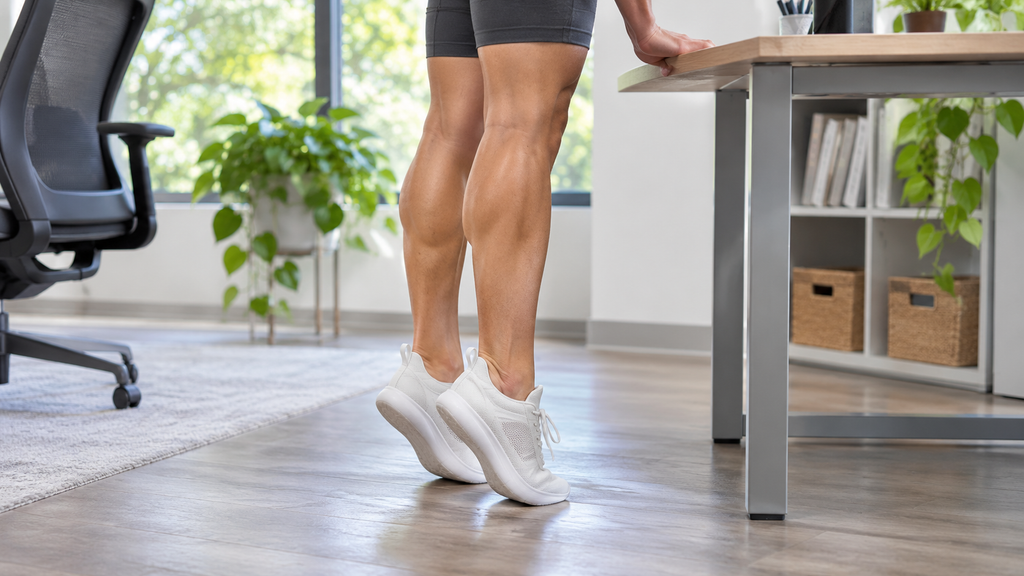
Your calf muscles help pump blood back up to your heart. Each time they tighten, they push blood upward. When you sit still for a long time, this pump slows down, even if you trained hard that morning.
Researchers at Indiana University tested this with a group of healthy young men. In their study, just one hour of sitting reduced blood flow function in the main leg artery by up to 50%. When the men took three five-minute walks during a three-hour sitting session, this drop did not happen. A short walk every hour is enough to help.
Habit 2: Stay Well Hydrated
Your blood is more than half water. When you don’t drink enough, your heart has to work harder to move blood around your body. This is even more true on training days, when you lose fluid through sweat.
Drink water throughout the day instead of all at once. A simple check is the color of your urine. Pale yellow means you are drinking enough. Dark yellow means you need more water.
Habit 3: Elevate Your Legs When Resting
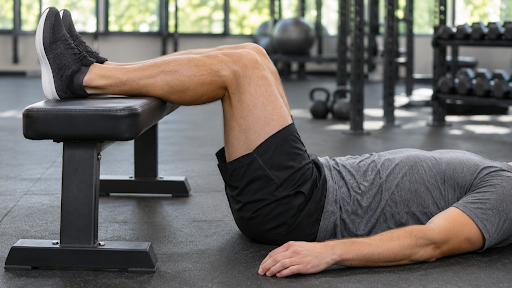
Raising your legs is one of the easiest ways to help blood flow back to your heart. Lie on your back and rest your feet above the level of your heart for 15 to 20 minutes. This often reduces ankle swelling.
You can use pillows on a sofa or rest your legs against a wall. After a leg workout, lying on the gym floor with your legs on a bench works well too.
Habit 4: Eat a Heart-Healthy, Nutrient-Rich Diet
What you eat affects your blood vessels over time. Too much salt, fried food and processed meat can raise your blood pressure and cholesterol. This can make your arteries stiff and narrow.
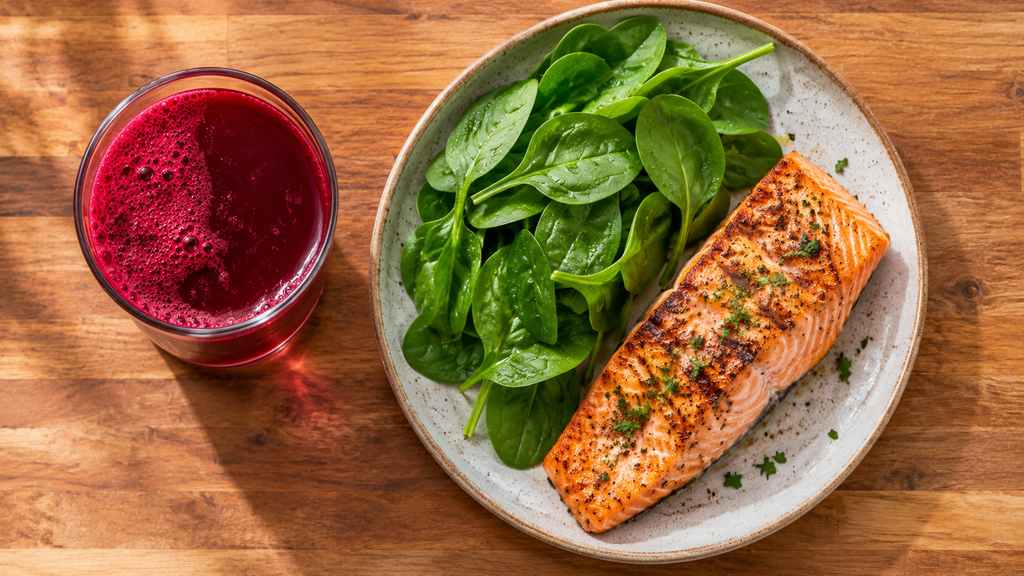
Some foods help blood vessels relax. Beets, spinach and other leafy greens are good examples. Oily fish such as salmon is also a smart choice two or three times a week. Cutting back on salt can reduce swelling in your ankles within days.
Habit 5: Avoid Sitting or Standing for Long Periods
Standing still for hours can be just as hard on your legs as sitting. Personal trainers, nurses and shop workers often notice tired, swollen legs by the end of a shift.
Try to change your position every 30 to 45 minutes. Shift your weight from one foot to the other or do a few calf raises. On flights longer than four hours, the risk of a blood clot in the leg goes up. Walk around the cabin when you can and move your ankles in circles while seated.
Habit 6: Wear Comfortable, Supportive Footwear
Flat lifting shoes are great in the gym. For the rest of the day, choose shoes with some cushioning, good arch support and enough room for your toes.
High heels and tight shoes limit how much your ankle moves. This makes your calf muscles work less with each step, which slows blood flow. If you have diabetes, check your feet every day for blisters or color changes. Poor blood flow can turn a small blister into a wound that takes weeks to heal.
Habit 7: Quit Smoking and Limit Alcohol
Smoking is the biggest avoidable risk factor for PAD. It narrows blood vessels within minutes and damages the lining of your arteries. It also makes your blood more likely to clot.
The good news is that your body recovers quickly once you stop. The NHS says blood flow starts to improve within 2 to 12 weeks of quitting. With alcohol, the occasional drink is unlikely to cause harm. Heavy drinking, though, raises blood pressure and slows recovery from training.
Habit 8: Manage Stress Effectively
When you feel stressed, your body releases hormones that tighten your blood vessels and raise your heart rate. This is helpful for short bursts. It becomes a problem when stress lasts for weeks or months.
Regular exercise is one of the best ways to manage stress. Slow breathing also helps. Breathe in for four seconds, then breathe out for six. Repeat this for a few minutes whenever you feel tense.
Habit 9: Try Compression Wear When Needed
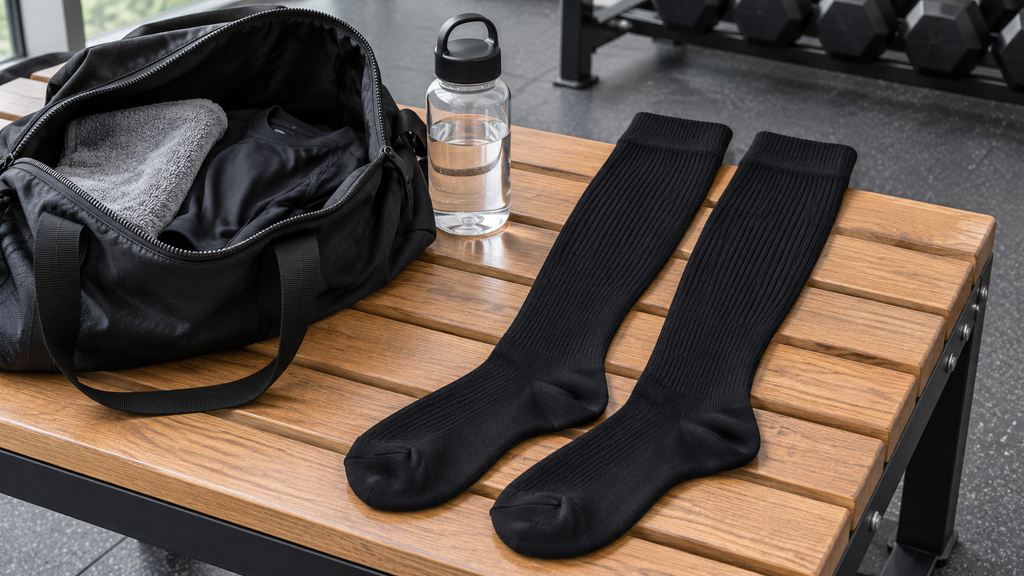
Compression socks are tighter around the ankle and looser toward the knee. This gentle pressure helps push blood back up your legs.
Light compression socks from a pharmacy are useful on long flights, after a hard leg day or if you stand at work. However, if you have been told you have narrowed leg arteries, speak to your doctor first. Extra pressure can reduce blood flow further in these cases.
Habit 10: Get Enough Quality Sleep
Your body repairs itself while you sleep. At night your blood pressure naturally goes down, giving your blood vessels time to rest. Short or broken sleep stops this from happening properly.
In 2022, the American Heart Association added sleep to its list of eight measures of heart health. Adults should aim for 7 to 9 hours a night. If you snore loudly and still feel tired during the day, talk to your doctor about sleep apnea.
When to See a Doctor About Circulation Problems
Healthy habits help a lot. Still, they cannot fix every problem. Book an appointment if you notice any of these signs:
- Pain in your calf, thigh or hip when walking that eases when you rest
- A cut or sore on your foot or leg that has not healed after two weeks
- Swollen, twisted veins that ache or throb
- Skin on your lower legs that turns shiny, darker or cold
Sudden swelling, warmth and pain in one leg needs urgent care. It can be a sign of a blood clot.
A vascular specialist can check your blood flow with simple, painless tests, such as comparing the blood pressure in your ankle and arm or using an ultrasound scan. For people in and around Largo, Maryland, Vascular treatments at VascuHealth range from these first checks to minimally invasive procedures for vein and artery problems.
Conclusion
Good circulation does not need expensive equipment or a complicated plan. Start with two simple habits: get up every 30 to 45 minutes and raise your legs for 15 minutes after training. Then add the others one at a time.
If your legs still ache, swell or change color after a few weeks of effort, don’t ignore it. See a doctor and get them checked.